


Why is managing through the good and bad times important?
There are many ways that foods can affect how we feel, just as how we feel can influence what foods we eat. This is often related due to existing associations or memories of food with previous positive or negative experiences.
Food is at the centre of so many things that we do. It is part of how we celebrate happy and sad times, connect with others during grief or loss, and mark joyful moments.
What can I do to manage the good times and bad?
It’s important to understand why we feel the way we do and how we react to that feeling. There are times when we are tired, upset, happy or sad that we may use food to comfort or celebrate. There are some things you can do to recognise how you feel and how to respond:
- Accept what’s going on or the situation you are in. It’s ok to be happy or sad; accepting and dealing with how you feel is important.
- Use a diary to track what you’ve eaten and how you felt when you ate.
- Appreciate what’s around you. This might be connecting with a friend or someone you work with.
- Be physically active and spend time outside.
If you’re attending a celebration event, allow yourself to enjoy the food available, but also think about strategies to avoid eating too much. If you’re attending the event with someone let them know how you’re feeling so they can support you.
The ups and downs of life are unavoidable
Think about what matters to you and make time for it. This might be spending quality time with friends and families, time for your hobbies, trying something new or helping other people.
Making time for people and activities that help us feel good and appreciating what we’re thankful for can boost our mood. This helps protect and improve our mental wellbeing, even when we are experiencing difficult times.
How else might you manage difficult feelings?
Is there someone you can talk to or an activity that can help distract you? Don’t ignore problems but do allow yourself some time to think about and do the things you enjoy.
Find out more
What is a healthy body image?
Body image is how we think and feel about our bodies. A healthy body image means accepting your body and being comfortable with your appearance.
Body image is not just about your weight. It can also include things like comparing how you look with others and how much other people’s opinions about your appearance affect how you feel about yourself.
Why is healthy body image important?
Feeling good about yourself is important for your overall mental health and wellbeing.
Good self-esteem means being confident in who you are, including how you look and feel about your qualities and attributes.
Being comfortable with your body can help with managing your weight. People with a healthy body image can find it easier to eat a healthy diet and have more confidence to participate in physical activity.
What can I do to maintain a healthy body image?
There are many different body shapes and sizes. However, the media can show unrealistic ideas about what bodies should look like. Take notice of how you feel when using social media, and don’t engage with content that makes you feel uncomfortable.
Appreciate all that your body does for you. Feeling grateful for the things your body helps you to do, like expressing yourself, can help you to focus on the good stuff.
Try complimenting others about their skills or things you like about their personality, not just how they look.
We are often more critical of ourselves than we would be of others in the same situation. Showing ourselves some kindness, can help to counter this and allow us to feel more positive.
Practice being kind to yourself. Speak to and about yourself as you would talk to a friend.
What do we mean by stress?
Stress can be thought of as feelings of mental or emotional pressure. Low levels of stress over short periods are normal to feel at times and can be helpful in motivating us to do certain actions. When stress lasts a long time, is very intense, or builds up due to lots of different sources of stress coming at once it can have damaging effects on our mental wellbeing.
People have different ways of managing stress. For some it may lead to under or over-eating, or using drugs or alcohol. These behaviours may feel helpful in the short term but in the longer term they are damaging habits and can actually reduce our ability to deal with stress.
It’s important to be kind to ourselves during hard times, avoiding self-doubt or blame, and seeking support when needed. This helps us cope and protects our mental wellbeing.

How do I know if I’m stressed?
Some signs of stress you might feel include:
- Feeling irritable or angry
- Feeling over-whelmed
- Feeling a sense of dread
- Feeling anxious, nervous or fearful
- Feeling worried or tense
- Feeling lonely or neglected.
Physical changes you might notice include:
- Difficulty sleeping
- Difficulty breathing normally
- Headaches or muscle aches
- Sore eyes or blurry vision
- Sweating
- Changes in bowel patterns
- Dizziness
- Chest pains and high blood pressure.
Do you notice signs of stress in yourself?
Sometimes other people notice changes in our behaviour before we do. Try talking to someone you trust about what your early signs of stress might be. This can help people to feel comfortable to check in with you if you start showing signs of stress. The earlier signs are spotted the easier it can be to deal with them.
What can I do to cope with stress?
Taking actions to reduce feelings of stress and boost our wellbeing can help keep our body and mind feeling good and functioning well.
- Try to understand what factors are contributing to it so you are better prepared for when difficult feelings might arise.
- Be kind to yourself. Sources of stress are often external which you can’t necessarily control, but you can try to control how you respond.
- Make time to relax.
- Make time for the things you enjoy. Whether that’s being with people who help you feel good, time for a hobby or time outdoors, these activities help us cope with stress.
- Try to get enough sleep, tiredness makes it harder to cope with stress.
- Eat healthily and get some physical activity, looking after yourself physically will help you mental wellbeing.
Think about your signs of stress and how best you can cope with stress.
Find out more
Stress | Mental Health Foundation
What do we mean by emotional eating?
Emotional eating refers to those times when we eat not because we are hungry but to help us cope with difficult emotions. We may turn to food for comfort when we feel low, stressed or bored. This can lead to unhelpful habits, particularly if your goal is to lose weight or maintain a healthy weight.
What can I do to reduce emotional eating?
Understand your eating patterns and identify the times when your emotions are turning you towards food for reasons other than hunger.
Think about your triggers
Think about the times when you turn to food for comfort. Does it happen at a particular time of the day? How were you feeling? What was happening around you?
Try keeping a food diary
Reflecting on how you felt at different times of the day and how that might have affected your food choices. This may help with identifying your triggers. Once you understand your triggers you can be better prepared for when you notice those events or feelings happening and have alternative strategies in place.
Try to make small changes over time and be kind to yourself as you adjust your habits
If you find you can’t initially stop turning to food as a comfort try to choose healthy foods and avoid food high in fat, sugar or salt.
Over time try different ways of coping till you find what works for you. You might find getting some fresh air or a short walk helps, or maybe picking up a pencil to write down how you’re feeling or even doodle. Finding distractions will help you to move away from emotional eating and support your mental wellbeing.
Be proud of yourself for the changes you make, they’re not easy. There will be setbacks, but returning to alternative coping strategies after you slip up will help those new habits to build.
- Have you tried keeping a food and emotions diary?
- Do you know what your “triggers” are for turning to food?
- What do you enjoy doing that might help you cope with emotions instead of eating?
If you are worried that you or someone you know may have an eating disorder speak to your GP. Support is also available from BEAT by clicking here.
What is mental wellbeing?
Positive mental wellbeing can be thought of as ‘feeling good and functioning well’. Mental wellbeing influences, and is influenced by, how we think, feel, and act.
Many things influence our mental wellbeing, from our experiences (past and present), to how we feel about ourselves and our relationships with others. Other things like how affordable basic goods are, the quality of our environment, and levels of trust in communities.
Why is mental wellbeing important?
Looking after our mental wellbeing is as important as looking after our physical health. Our physical health can affect our mental wellbeing, if we feel unwell, we might feel mentally low, but mental wellbeing also affects our physical health.
Taking time to look after our mental wellbeing, even when we’re feeling good, makes us better able to respond to and recover from more challenging times.
What can I do to improve my mental wellbeing?
Show gratitude
Gratitude is not just a feeling but an action you can practice. Try identifying something you’re grateful for 3-4 times a week. It might be noticing the sunshine through a raindrop, a smile from a stranger, or a phone call with a friend. Keep notes in a diary that you can reflect on when you need a boost.
Connect with other people
Connecting with others helps us to feel good. Don’t be afraid to ask for or offer to help others. It might feel strange to offer help to someone when you’re feeling low, but doing acts of kindness can boost our positive feelings and sense of connection to other people.
Connect with nature
Being outdoors can boost our mental wellbeing and give us a sense of perspective. Time spent in green spaces or close to water can help to calm busy minds. Let yourself be distracted by nature; notice the sights and the sounds. It doesn’t have to be a long country walk to get the benefits; planting a flowerpot, putting up an insect house, or noticing the signs of changing seasons can all be helpful.
Get creative
Being creative is good for our mental wellbeing. You could try many things: listen to music, take some photos, or write a poem. Try to give it your full attention. This will help you have a break from day-to-day worries.
What matters to you
Different things matter to different people. Think about what matters for your own mental wellbeing?
Find out more
Ways to better wellbeing – Hapus
Ways to feel happier: Happier Kinder Together | Action for Happiness
Influences on our mental wellbeing: Promoting individual and community wellbeing – Public Health Wales
Why is being active important?
Being active helps not only your body but also your mind.
Doing physical activity that you enjoy can:
• Make you feel good
• Give you a sense of purpose
• Lower tension and stress
• Improve your mood
• Increase your confidence
All these things support wellbeing and can help you stay motivated as you manage your weight.
Feeling low can affect our motivation to get active. Starting can be hard, but it’s important to try, even small bouts of activity help. If we aren’t active, we risk getting stuck in a cycle where we avoid doing physical activity or the things we usually enjoy because we feel low. But this avoidance can actually make us feel worse.
Getting the most out of being active
Our relationships and social connections are vital for supporting good mental wellbeing. Taking part in physical activity with other people can be a good way to connect with others and get support to help you cope with day-to-day challenges.
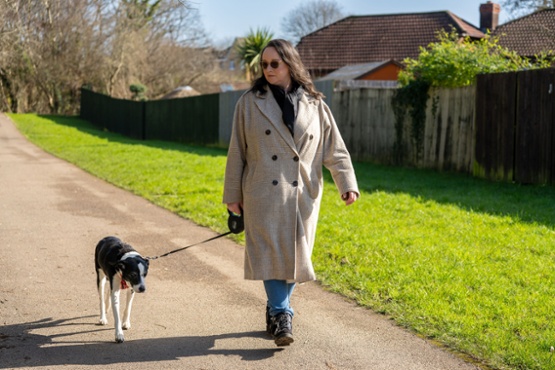
Being active outdoors brings even more benefits. Spending time in nature is known to protect wellbeing. When in natural environments, such as parks, woodlands, and beaches, it can also increase the opportunities for you to move more.
Even small increases in physical activity levels can make a big difference to how we feel. Think about small changes you could make; for example putting music on while you do the housework might help you move more, taking stairs instead of the lift, or walking to the local shop instead of driving – this will benefit you and the environment.
Having a mental health condition can impact the type of physical activity you are able to do. For example, certain medications can affect your body and energy levels, and people who experience panic attacks may find breathlessness distressing. It is still possible to be physically active and get support from people we trust and who care about us, or from those who have been through similar experiences. It can help us get back to feeling good and functioning well, whatever that looks like for us.
Wherever you are starting from, anything you can do to be active regularly is good
Find what physical activity is realistic for you and involves doing something you enjoy.
- What do you enjoy that gets you moving?
- Can you do a few (more) minutes each day?
Find out more
How are physical activity and mental health connected?
Physical health and health behaviours – Hapus
Why is sleep important?
Sleep is important because it affects our physical and emotional wellbeing. Sleeping well means that we usually feel happier and more able to deal with life’s issues. It helps us to function better during the day.
Insomnia is a common problem affecting about 10% of people. If you have experienced difficulties getting to or staying asleep multiple times a week for three or more months, you might have insomnia and should seek support from your GP.
What can I do to sleep well?
To sleep well, it can help to:
- Have a regular time to go to bed and wake up. Try to stick to a similar bedtime routine to help prepare your body and mind for sleep.
- Have a comfortable and relaxing sleeping space.
- Be physically active during the day.
- Taking time to relax before bed. This might be taking a shower or reading a book.
- Don’t drink much alcohol.
- Avoid having a smartphone by your bed.
- Try not to drink tea or coffee after mid-afternoon.
- Try not to eat a large meal late in the evening as some foods can affect your sleep.
- Avoid sugary foods close to bedtime.
- Keeping a notebook by the side of your bed can be helpful if you find you can’t switch off your thoughts before sleep.
The above tips can help, but you might still find it hard to get to sleep or stay asleep. Recent studies suggest sleep difficulties can happen when you feel you are dwelling on particular thoughts, or your thoughts are racing and you struggle to ‘turn them off’. Activities like mindful breathing exercises can help in this situation.
Find out more
Sleep problems – Every Mind Matters – NHS
If you are trying all of the above and still have difficulty sleeping, or think you might be experiencing insomnia, talk to your GP for further support.
We all have food cravings now and then, the urge to eat something we enjoy. Sometimes a smell, advert or memory can trigger a strong need for a specific food or meal. When you can manage those cravings and maintain a balanced diet, this is a normal part of a healthy relationship with food.
Food cravings can become a problem when they feel unmanageable. You may have a particular go-to food craving high in salt, sugar or fat. You might go out of your way to eat this food. This may have led you to eat more than you planned or not be able to stop eating this food when you are full, and may contribute to difficulty managing your weight.
Breaking your food cravings
Food cravings are different to feeling hungry. Having a regular eating routine and not skipping meals can help you recognise when you are hungry and full, and when your urge to eat is down to your craving and not hunger. You can use the hunger score to help. Sometimes we think we are hungry when we are thirsty. So try to stay hydrated too.
Think about your triggers
When do they happen? What time of day is it? Where are you? How are you feeling? Have you just eaten, or can you see the food that is the trigger? It may help to write this down:
- I want to eat this food when ______________________.
- I want to eat this food because ____________________.
By identifying your triggers, you can plan what to do when you have a food craving.
You could try to keep busy and distract yourself with a hobby, activity or contact a friend. Think about what you enjoy and things that will work for you.
- When I have my food craving, I will ________________.
Move the food out of sight if you can. You might find it helpful to think about healthier swaps that could replace the foods you crave.
If food cravings are linked to your mood, you might need support for dealing with your emotional wellbeing first.
Think about when and why you have a food craving. Then make a plan thinking about what is right for you.
Further support
Setbacks are normal and we will all have them. See our getting back on track page for support with how get through them.
Don’t be afraid to ask for help. If you think you can’t cope with your food craving, it’s getting in the way of daily life, or you are hiding your eating from others, you may need more support. Contact your GP to discuss this. You can also access information and support through BEAT.
Join the Community
Sign-up to our newsletter to find get inspired with ways to keep your journey moving.
Learn more and Sign-up