

In the world we live today, and the many ways we receive information, you might find it hard to know what nutrition and weight management advice to trust or avoid. Although it can be confusing, there are a few things you can do to spot safe, reliable information.
Read beyond the headlines
Often a headline is used to grab your attention and does not reflect the actual advice. Read past the headline to find out what the real information includes.
Check the source – is it trusted?
Is the information given by someone qualified in nutrition? You can check if they are a nutrition expert and regulated in the UK through AfN for Registered Nutritionists (RNutr) or the HCPC for Registered Dietitians (RD):
- Search the Register – Association for Nutrition
- Check the register and find a registered health and care professional
Also, look for ‘RD’ or ‘RNutr’ next to the name.
If in doubt, check with official sources
Double check the information with official sources such as Public Health Wales (PHW), NHS, or the British Dietetic Association (BDA). Do they say the same thing?
If it sounds too good to be true, it probably is!
Safe, realistic nutrition and weight management advice will not encourage you to go for quick fixes or fast, extreme weight loss over a short time.
Be careful when a product or company sponsors the information or a person
This may promote a product or a company’s interest instead of providing accurate, safe nutrition advice.
Regulated nutrition and other health professionals do not sell supplements or diet products
If the information encourages or links to buy a product, be careful. Check with a qualified nutrition professional.
Advice promoting ‘superfoods’ is false and misleading
There are no ‘superfoods.’ A healthy balanced diet can support your health, but no single food or supplement can ‘boost’ your immune system.
Avoid advice that recommends removing foods or food groups entirely from your diet
Official healthy eating advice does not recommend cutting out foods or food groups unless a health professional has advised you.
Next time you read food-related information in the media, consider these points before you trust the advice.
Credible Advice Tips
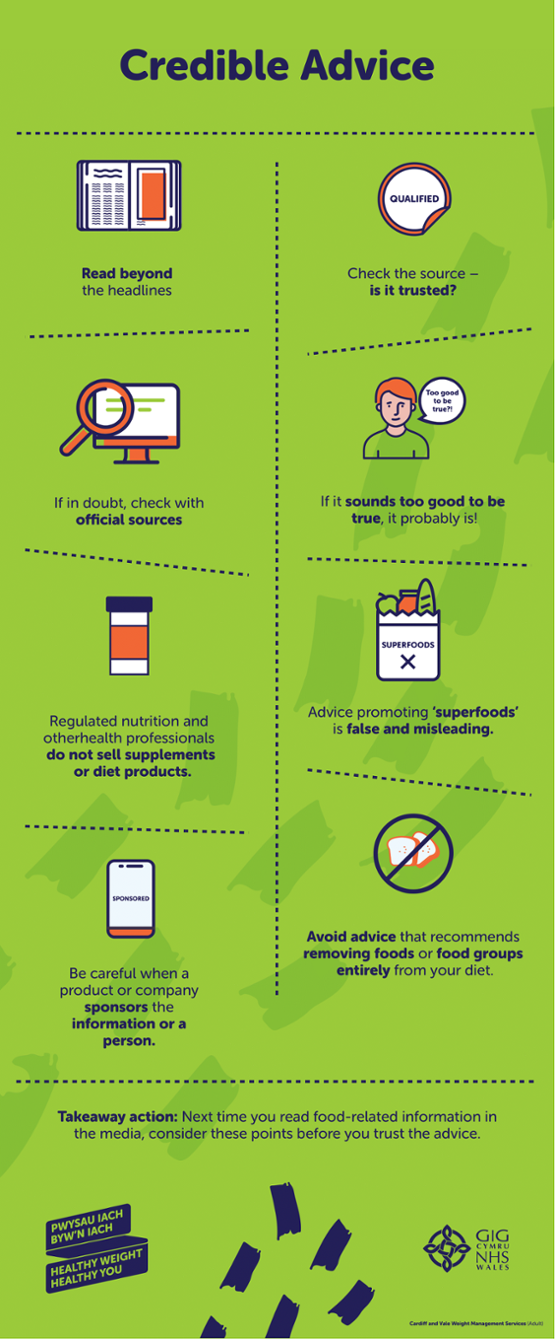
Credit: Based on infographic created by The Association for Nutrition (AfN).
Meal planning might seem daunting at first, but it doesn’t have to be complicated. It’s a great way to help you establish a positive, healthy eating routine. It can also save you the time and stress of deciding what to eat daily by doing it all in one simple session.
Meal planning
Meal planning is a way to plan out what meals you will eat for the days or week ahead, the foods you will need to buy, and how much you will spend. It is an important part of budgeting for your food shop.
Your meal plan is the beginning of your shopping list, take a look at what you already have for your meals and what you need to buy. Use your shopping list to stick to what you plan and need to buy, and save time. Meal planning can also help you see the changes you could make to achieve a healthier balance and make mealtimes more interesting. This can help you to achieve and maintain your healthier eating goals.
Things you may want to consider when making a meal plan include:
- Your food budget
- Who will you be cooking for, and how many?
- How busy is your week?
- What commitments do you have that can impact cooking and meal preparation time? Choose achievable meals that fit in with this.
- Check the food you have at home already. Try not to double up on ingredients.
- How much food storage do you have at home? Make sure you have enough space to store ingredients and any leftovers you can freeze later.
- Check use-by dates and when to use certain foods during the week to reduce food waste.
- Don’t forget to add snacks and drinks to your meal plan.
- Think about your meals’ overall balance when planning your week.
Meal planning template
You can create your meal plans with this meal planning template. Once you have made your plan, you can make a shopping list for what food and drinks you need for the week. Our making everyday meals healthier page might be helpful if you need some meal inspiration.
Once you’ve practiced over the first few weeks, you’ll start to find it a quick and easy way to maintain a food routine that works for you.
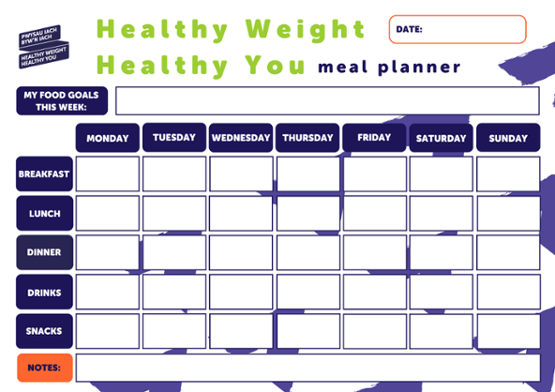
Download our editable meal planners and create your meal plan for the week ahead:
More than ever, with the rising cost of living, balancing the bills and having a healthy balanced diet can be challenging. Healthy food can be more expensive, and often money-saving deals are available for less healthy items. This can make accessing healthier food more difficult. The budgeting and food support available to you can help make your food budget a little more manageable.
Food budgeting
You may already have a good understanding of your household budget, which can help you work out and manage your food budget. If you want to review or get in control of budgeting, there are practical tools that might help you.
Money Helper UK has a budget planner that can take you through all the steps to work out your household budget, including your food budget. Once you know your food budget, you can plan a little easier.
Food support
If you are struggling to access food, here are a few places that you can contact for help:
- Welsh Government – Get help with the cost of living
- Citizens Advice – Get help with the cost of living
- The Trussell Trust
Healthy start provides food and milk vouchers if you are pregnant or have children under four and qualify for certain benefits. You can check if you are eligible here.
There may be other support available locally. As local areas offer different things, you could search online to find the support available in your area. Try using the following searches; local food bank, local food pantry, community fridge, community food hub, local food centres and local lunch club.
You might also be interested in the Olio App, which shares surplus food from local businesses for free to reduce food waste. You can check what is available locally by downloading the app.
Money saving options
Once you know you have accessed the support and resources available that you need, there are practical ways to keep costs a little lower when shopping and cooking.
Shopping
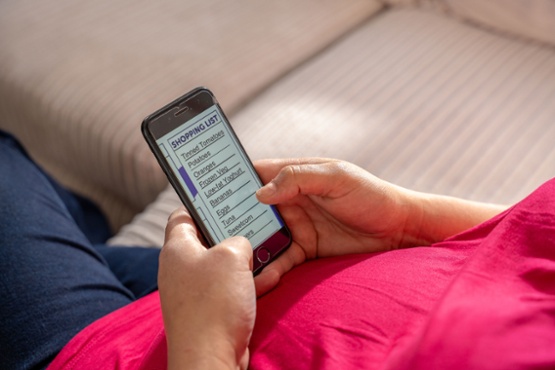
- Plan your meals and make a shopping list. This helps you buy only what you need.
- Use ingredients you already have at home. Check whilst you are making your shopping list.
- Shop when not hungry or tired if you can. Shopping when we are hungry may lead to buying foods that are higher in fat and sugar.
- Stick to your list. Check your basket before paying and remove items not on the list.
- Look for value brands which are often cheaper.
- Cheaper products are often not in central or prime positions in the shops – check the top and bottom shelves.
- Special offers are not always cheaper – check the label to ensure you save money and only buy what you need.
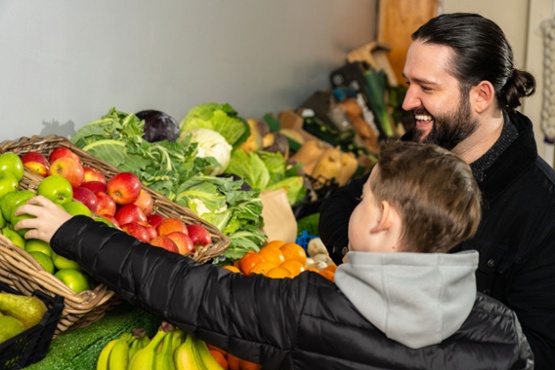
- Look for seasonal fruit and vegetables, which may be cheaper.
- Many supermarkets now sell ‘wonky’ fruit and veg boxes which are slightly different in shape from usual but are cheaper, just as healthy and taste just as good.
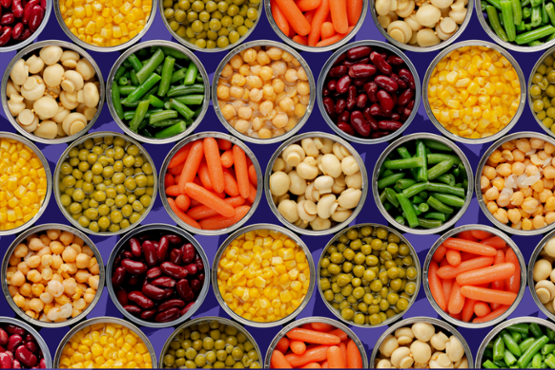
- Frozen and tinned fruit and vegetables are just as healthy as fresh but can be stored longer and are often cheaper. Try to choose fruit tinned in juice and vegetables tinned without added salt if you can.
See our healthier shopping page for more information.
Cooking
- Cook at home when you can, and take a homemade lunch or picnic when you are out.
- Batch cook your meals and freeze them in portions if you can.
- Beans, pulses and lentils are great ways to bulk meals and can often be bought with money-saving deals.
- Reduce the amount of meat you cook, and replace it with vegetables, beans, lentils and pulses.
- Some cooking methods are cheaper than others; try making one pots or using the microwave instead of the oven.
- If you have a smart meter, it can help monitor your cooking costs at home.
See our making everyday meals healthier page for more information.
If you need help with food budgeting, try using the budget planner to work out your budget.
If you think you could make some practical changes to your shopping or cooking, make a list and set yourself a shopping or cooking goal.
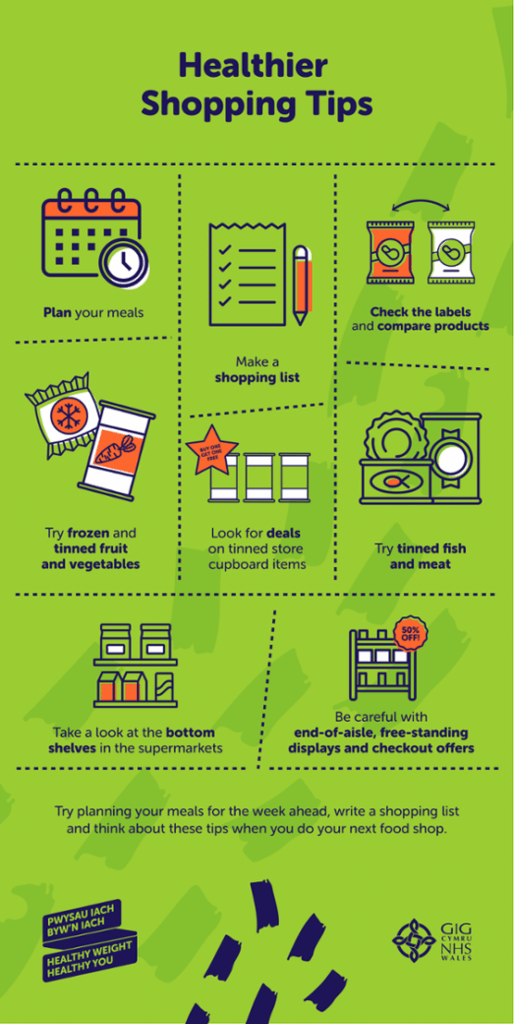
We understand that life is busy. These shopping tips are here to help save you time, manage your food budget and make some positive steps toward your healthier eating goals.
1. Plan your meals
Think about what meals you will cook for the week ahead and the items needed for each meal. You can then make a shopping list.
Download our editable meal planners and create your meal plan for the week ahead:
2. Make a shopping list
We know there can be tempting offers and advertisements when food shopping. Making a list may help you stick to buying the things you need.
3. Check the labels and compare products
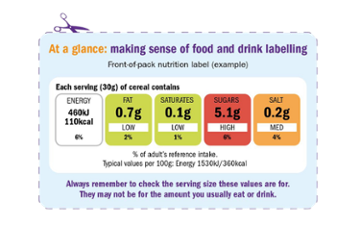
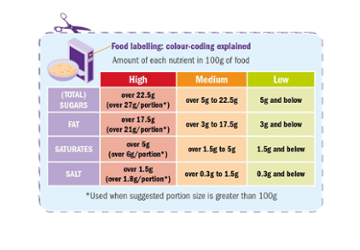
Traffic light labelling is a quick way of checking if a product is high, medium or low in fat, sugar and salt. Try to choose items with the most ‘greens’ on the label when you can. You can take these handy guides with you when you shop to help:
4. Try frozen and tinned fruit and vegetables
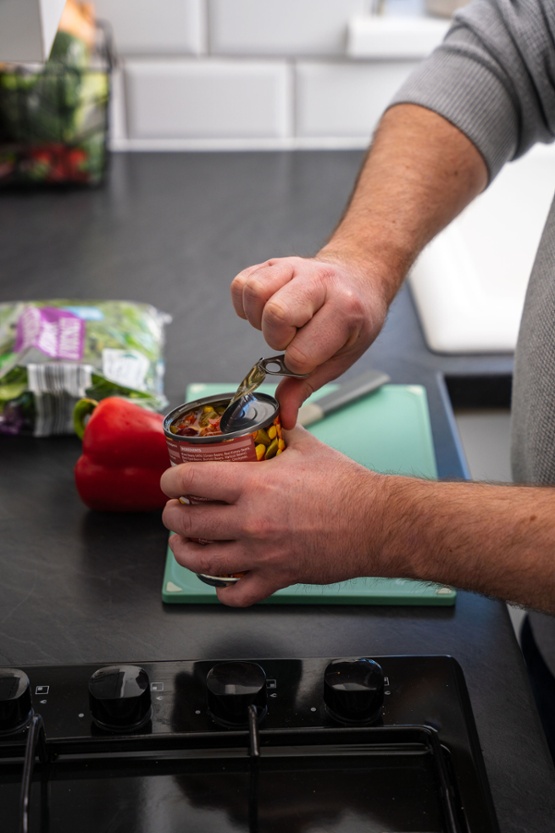
These are often cheaper, can be stored longer than fresh and are just as healthy. Choose tinned vegetables with no added salt and tinned fruit in juice instead of syrup if you can.
5. Look for deals on tinned store cupboard items
Tinned items, including beans and pulses, have a long shelf-life and can be added to many meals. Try to choose low-salt and sugar items if you can.
6. Try tinned fish and meat
These can be cheaper and stored for longer than fresh. Choose items tinned in water instead of oil or brine if possible.
7. Take a look at the bottom shelves in the supermarkets
Own brand items are often found on the lower shelves, and you may find they offer cheaper options.
8. Be careful with end-of-aisle, free-standing displays and checkout offers
Items placed in these areas are often less healthy. This is when your shopping list comes in handy to keep on track with what you really need.
Try planning your meals for the week ahead, write a shopping list and think about the tips below when you do your next food shop.
We all have times when we snack and eating a few snacks throughout the day can be part of a healthy balanced diet. Snacks can give us energy between meals. The type of snacks you eat and when you eat them is key.
Snacking can be a problem if you eat when you don’t need to and the snacks you eat are less healthy. You might snack when you are bored or distracted doing other things, such as using your mobile, working at a desk or watching TV. This is sometimes called ‘mindless snacking’ and can affect your weight if you eat more over time than you realise.
If you think you might be mindless snacking, there are things you can do to eat more mindfully:
- Plan your snacks for the day or week.
- Stick to regular meal times.
- Drink regularly throughout the day to stay hydrated.
- Think about when you are snacking. Do you need to eat at this time?
- Think about why you are snacking – are you bored? Are you feeling sad?
- Is there something else you can do instead of snacking?
- Swap to healthier foods when you can.
Healthier snacks
You don’t need to give up the foods you enjoy eating. It’s more about getting the balance right by eating more snacks that are lower in fat, sugar and salt and having less healthy snacks less often.
Traffic light food labelling can help you make healthier snack choices. Try to choose food and drink with more greens on the label, which are low in fat, sugar and salt and have ones with more reds less often.
You may also be eating larger portion sizes than you need. Front-of-pack labelling often shows nutrition information per portion instead of per pack. So if you eat more than the stated portion size, you will be eating more than you realise. Try switching to smaller portion sizes when you can.
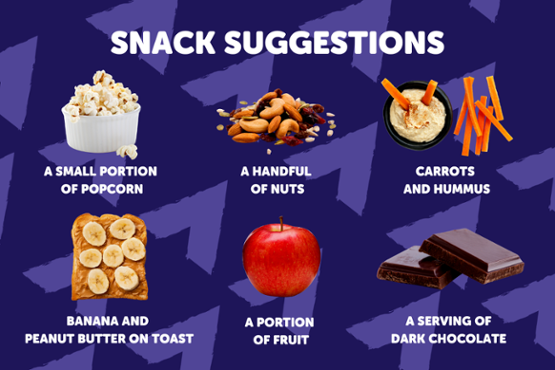
Snack suggestions
- Fruit or vegetables are the ultimate fast food. Try to choose a variety when you can.
- Smaller portions of your usual snacks, and less often.
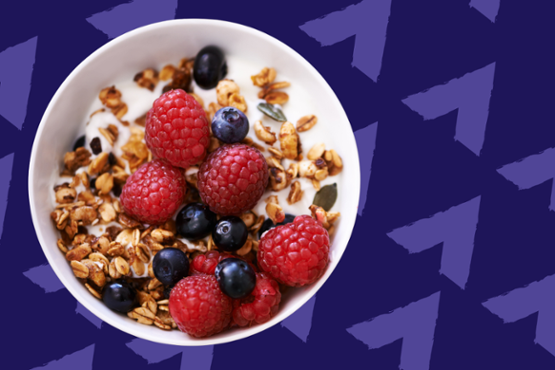
- Plain low-fat yoghurt with fruit.
- Plain popcorn; add spices such as cinnamon for a different flavour.
- Cottage Cheese or reduced fat cheese on a wholegrain cracker with cherry tomatoes.
- Sliced banana on wholemeal toast.
- Crumpet with low fat spread.
- A few dried fruit (apricot/raisins) with unsalted nuts (almonds/walnuts).
- Baked crisps instead of fried.
Think about the types of snacks you regularly eat and when you eat them. What changes could you make? Set a snack goal that will work for you.
For you, making small changes to your diet may be an important part of managing your health and weight.
Healthier eating doesn’t mean swapping all the meals you usually cook and enjoy for different ones. There are many ways you can make your favourite recipes healthier, with small changes that suit you.
You don’t need to make all the changes at once. You could try one or two things to start with and build on them with new changes at your own pace over time.
Making everyday meals healthier
You might find it helpful to think about your usual meals and the portions you usually have on your plate. Is it balanced, or do you think you could make some changes for a healthier combination?
Here are some other changes you could make too.
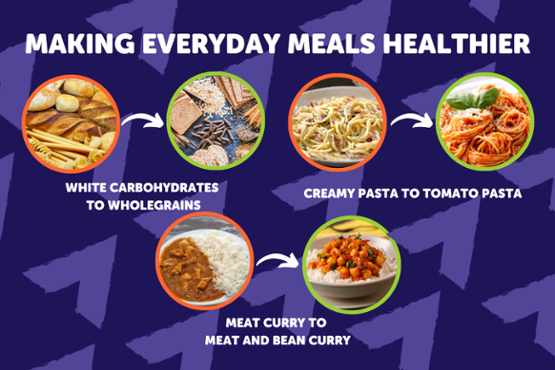
Try wholegrain varieties
Wholegrain bread, roti, chapatti, pasta, rice and breakfast cereals have more fibre and nutrients than white versions and can also fill you up for longer.
If you are not used to wholegrain versions, try half and half to start with, such as 50:50 bread.
Try tomato-based sauces
Tomato-based sauces can be lower in calories than cheese and cream-based sauces.
Swap to leaner cuts of meat
Choosing a different cut of meat or cutting off the fat when cooking can make your meals healthier.
| Type | Swap | Try |
|---|---|---|
| Pork | Cooked pork belly joint with fat. | Cooked lean pork leg joint without fat. |
| Beef | Beef steak or diced beef with fat. | Lean steak or lean diced beef without fat. |
| 20% fat beef mince.Meatballs. | Less than 12% fat beef mince.Lean meatballs. | |
| Lamb | 20% fat lamb mince. | 10% fat lamb mince. |
| Poultry | Chicken breast or thighs with skin. | Chicken breast or thighs without skin. |
Swap some meat in your meals for beans or lentils
Beans, pulses, soybeans, soya chunks and lentils or dhal are lower in fat and higher in fibre than meat.
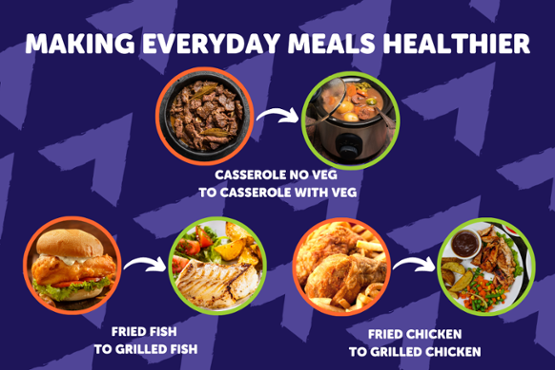
Add more vegetables to your meals
Try adding more vegetables and less meat or carbohydrates. You could use up any vegetables you have at home by adding to your go-to recipes such as stews, curries, casseroles and stir-frys.
Cooking methods
Instead of frying, try grilling or baking if you can. If you microwave part or all of your meals, try draining off the fat after cooking.
Switching from butter, lard or ghee to vegetable, olive or spray oil and using only a small amount when cooking can make your meals healthier without taking away the taste you enjoy.
Think about a meal you make regularly and write down the possible changes you could make.
Improving cookery skills
The following courses may be helpful for further support to improve your cooking skills or increase your confidence in cooking at home.
Nutrition Skills for life offers fun and informal food and nutrition courses for community members across Wales. Find your local course here.
Other online courses or local adult learning courses may be available to you. Have a search to see what might be right for you.
Drinking regularly throughout the day is essential for our health and an important part of our routine. We need to drink 6—8 glasses daily to stay hydrated. This will vary between different people. For example, you will need to drink more in warmer places or when you are more active.
We have all had times when we haven’t drunk enough, leading to tiredness, difficulty concentrating, headaches or dizziness. An easy way to tell if you are drinking enough is to keep an eye on the colour of your urine. It should be a pale yellow colour. If it’s dark, you need to drink more.
We sometimes mistake feeling thirsty for feeling hungry, so before you go for a snack, try having a drink first.

Healthier hydration
We get some of the water we need from the food we eat. The rest we need from our drinks. The type of drinks we have is important as you can easily get a lot of sugar and fat from your drinks without realising it. We should aim to have no more than 30g of free sugars free sugars Free sugars are sugars added to food or drinks to make them sweeter. They are also the sugars found in honey, syrups, unsweetened fruit and vegetable juices and smoothies. They do not include sugars found in milk and whole fruit and vegetables. (7 sugar cubes) each day.
There are many healthy ways to keep hydrated, and it’s up to you what you prefer. You don’t have to swap all the drinks you enjoy. Think about the balance of what you drink overall, whether you need to have some things less often and whether there are healthier alternatives you could enjoy instead.
Tap water is a cheap and healthy option. Lower fat milk or low sugar milk alternatives, such as soya or nut milk, can also be a good choice. You might prefer drinking tea and coffee. Having these without sugar, honey, syrups or cream are better options.
You might like fruit or vegetable juice if you don’t enjoy hot drinks. Try to keep to one glass daily as they are high in sugar but lower in fibre than whole fruit and vegetables. You could mix your juice with water and reduce the amount of juice you have over time.
Fizzy drinks, energy drinks, squash, smoothies, flavoured milk and waters can be high in sugar, so it’s best to try sugar-free and lower fat options when possible.
Think about the size of the drinks you have too. If your drink is high in fat or sugar, go for smaller versions when you can.
Safer alcohol consumption
Establishing a healthy relationship with alcohol might be important for you. If you drink alcohol, you may also need to consider how much you regularly have. Drinking less is not only better for your health but can also help you to manage your weight. This is because you can get more calories from alcohol than you may realise.
These self-assessment tools can help you work out your current alcohol consumption, your needs and the areas of support you might find helpful.
Unit Calculator – Alcohol Change UK
Check your Drinking – Alcohol Change UK
You could also try the Try Dry app, which helps you track your drinking and set your own goals for cutting down: Take part in Dry January.
Here are a few other things you could do:
- Set a limit before you drink, and try to stick to it.
- Talk to friends and family that you are trying to cut down.
- Drink water alongside alcoholic drinks.
- Try not to skip meals.
- Swap to lower sugar options.
- Think about the size of your glass; go for smaller options.
- Try low alcohol options; they can often be lower in calories.
Think about the types of drinks you regularly have, and if there are any changes you can make. Then set a drinks goal that will work for you.
Credit
Alcohol Change UK: Interactive Tools
It’s normal to find it harder to stick to our goals when we’re around family and friends. When trying to develop healthier routines, sometimes social situations can make us feel nervous. Planning ahead can help us feel more confident and stay on track, so we don’t miss out.
Use a food diary
We know that self-monitoring can be a great way to measure progress. By keeping a record of what you’ve eaten, you can plan your meal out with friends. If you’re eating out at a restaurant, you could view the menu online before you get there.

Think about your drink
Alcoholic drinks contain calories too. Sometimes when we drink alcohol, we may make different food choices. Try drinking glasses of water between each drink and eating your meal before or with your drinks. You can find support on our drinks page.
Ask for support
Sharing your goals with our family and friends can help us to feel more supported. You may want to ask for their help in choosing what to eat or trying a new healthier recipe together.
Sometimes your family and friends, who often mean well, may ask you to eat or drink more than you would like. See the getting the support need page for more help.
Remember, don’t be too hard on yourself
Seeing family and friends in social situations can help to boost our mood. Remember, your new healthy routines are here to stay for good, so it’s important to be comfortable in social settings. If you go off track, try not to be too hard on yourself.
The amount of times we eat food prepared outside of the home has increased over the years. Now many options are available to us to eat out in cafes and restaurants and order food from a takeaway.
Eating out and socialising around food and drink is central to many of our lives. It may also be vital to your culture, traditions, and celebrations.
With a positive action plan and the support you need, you can enjoy eating out and the occasional takeaway while achieving your goals.
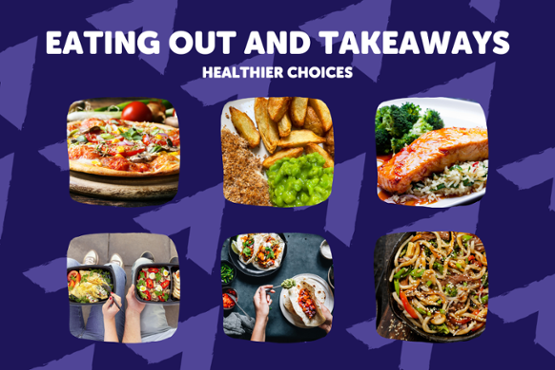
Eating out
You can still eat out if this is an important and enjoyable part of your life. If you can get the balance right for what you eat out and when you should be able to keep on track with your goals.
Life is busy, and the odd meal in a restaurant, café, or takeaway will not impact your overall diet significantly.
If it is a regular part of your week or month, a few minor changes could help you:
- achieve your goals
- save money
- stay motivated
- try healthy and tasty food
- enjoy these occasions.
Plan ahead
Try to visit restaurants where there are healthier choices. See if you can check the menu and plan what you will eat before you go. Many food menus display nutrition information which can help you choose healthier options. Get support from friends, family, or those you are eating out with in a way that works for you.
Try to eat the right amount of food for you
Meal deals and set menus can encourage us to think we are getting more for our money, which is not always true. Think about the number of courses you have. A starter and a smaller main or just a main meal may be enough.
- Portions can be large when you eat out. Go for smaller plates when possible. You could order an extra side of veg to go with it.
- Be aware of add-ons. Sometimes extra bread, cheese or other food items are added to dishes which you don’t necessarily need.
- Ask to take home what you can’t finish. This can help you eat the right amount for you instead of eating everything on your plate, even when you are full.
Think about what meal you choose
- Go for dishes with leaner meat or cut the fat off before eating.
- Try dishes with more veg.
- Choose tomato-based sauces instead of cheese or cream.
- If you have side options as part of a meal, go for the veg or salad instead of chips.
The odd dessert now and then is fine, and you don’t need to cut desserts out. However, you might want to think about your dessert choices if they are something you order more regularly. Opting for tea or coffee at the end of the meal instead, or having tea or coffee with a mini dessert if available, would be healthier choices.
What you choose to drink is also important when eating out. Without realising it, we can get a lot of extra sugar and fat from our drinks. Take a look at our drinks page for healthier drinks and alcohol advice.
Think about the balance of food you have over the whole day
You could choose a smaller lunch option if you plan a larger dinner. Keep to a regular meal pattern and try not to skip meals during other parts of the day. This can help you control hunger and how much you order when you eat out.
Takeaways
Since the COVID-19 pandemic, takeaways have become even more accessible. The odd takeaway now and then will not make a big impact overall.
Take notice of why you are ordering a takeaway and how this matches your values and goals. We may get into a routine or reward ourselves, for example, with Friday night takeaways or after a busy week. Adverts and promotions may also prompt us. Understanding your reasons can help you be better prepared and think about alternatives.
If you have takeaways quite regularly, then you could consider the following suggestions:
- Some takeaways have more healthier options than others, so try to order from places with healthier options.
- It’s easy to over-order. Consider whether you need extra sides, or starters or if a main would be enough.
- Ask for smaller portion sizes when possible.
Think about the type of meal you choose; healthier choices include:
- Stir-fried, steamed or grilled dishes with vegetables, lean meat or fish.
- Tomato-based sauces instead of cheese, cream and coconut.
- Dry dishes with spices and salads instead of sauces.
- Breadcrumbed instead of battered options.
- Plain boiled rice, bread, naan, roti and flatbread, choosing wholegrain when possible.
- Plain crusts instead of ones stuffed with meat or cheese.
- Thicker-cut chips instead of thin ones as they absorb less fat.
- Make a note that you don’t want add-ons. Sometimes extra bread, poppadums, dips, prawn crackers or other food items are included that you don’t necessarily need. Ask to go without extra cheese or sauces when you can.
If you eat out or order a lot of takeaways, such as weekly, you might want to consider cooking versions at home instead. This is often a healthier and cheaper option and could be tastier too. If you would like more support for cooking your own meals at home, our page making everyday meals healthier might be helpful.
If you eat out or order takeaways regularly, think about what you usually order.
Are there any small changes you can make? Set yourself a goal for the next time you order.
Healthier eating means eating a varied and balanced diet, but it’s also more important than this. It’s about having a positive relationship with food and what food means to you. This includes when, why and how you eat, and your enjoyment of food too.
The Eatwell Guide
The Eatwell Guide shows the types of foods and drinks, and in what proportions, that make up a healthy balanced diet. Eating a variety of foods from the different food groups will give your body the range of nutrients it needs. You can aim to do this over time, such as weekly rather than at every meal.
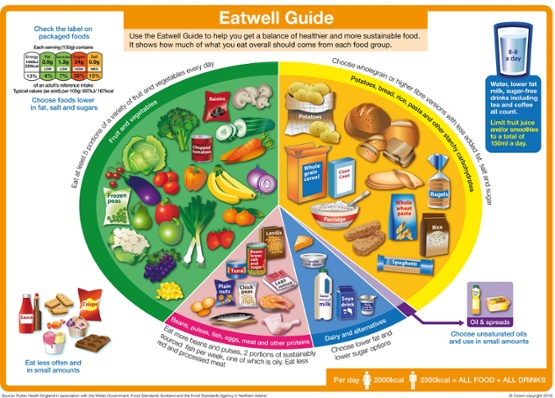
Eating regularly and not skipping meals is also important, so your body’s hunger and fullness signals work correctly. These signals help you realise when you are hungry or full and when to stop eating, which can help you maintain a healthier weight.
We know food is not just for fuel, and you should be able to enjoy and have a happy relationship with food too. You can use the Eatwell Guide within your routine and in a way that suits your preferences.
If you would find it helpful to have some more information about how to follow the Eatwell Guide recommendations, here is a short video:
Credit: Cardiff and Vale University Health Board
The Eatwell Guide is relevant for most adults. You may need to speak with a health professional for advice if you have special dietary or medical needs.
Other Eatwell Guides
There are other versions of the Eatwell Guide available. One of these versions may show more of the foods you usually eat. The overall messages and recommendations of the Eatwell Guide remain the same. Other versions include:
- African & Caribbean
- South Asian
- Vegetarian
- Vegan
Key Messages
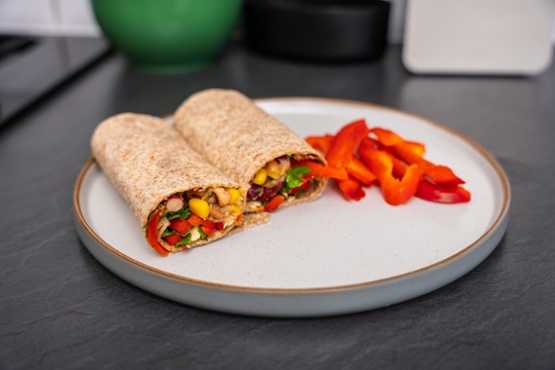
The main messages to take away from the Eatwell Guide are:
- Try eating at least five portions of a variety of fruit and vegetables daily.
- Base your meals on potatoes, bread, rice, pasta, chappati, roti, yam, plantain or other starchy carbohydrates; choosing wholegrain versions when possible.
- Have some dairy or dairy alternatives (such as soya drinks); go for lower fat and lower sugar options when you can.
- Eat some beans, pulses, chickpeas, daal, fish, eggs, meat-free mince, soya, lean meat, and other proteins.
- Try to include two portions of sustainable fish every week, one of which should be oily.
- Choose unsaturated oils and spreads and eat in small amounts.
- Drink 6-8 cups/glasses of fluid a day. Go for lower sugar options when you can.
- If eating foods and drinks high in fat, salt, or sugar, try to have these less often and in small amounts.
Look at your weekly food trolley and think about ways to get it closer to the balance recommended in the Eatwell Guide.
Credit
Eatwell Guide video: CAV Dietetics Healthy Eating Information – Nutrition Skills for Life
Join the Community
Sign-up to our newsletter to find get inspired with ways to keep your journey moving.
Learn more and Sign-up